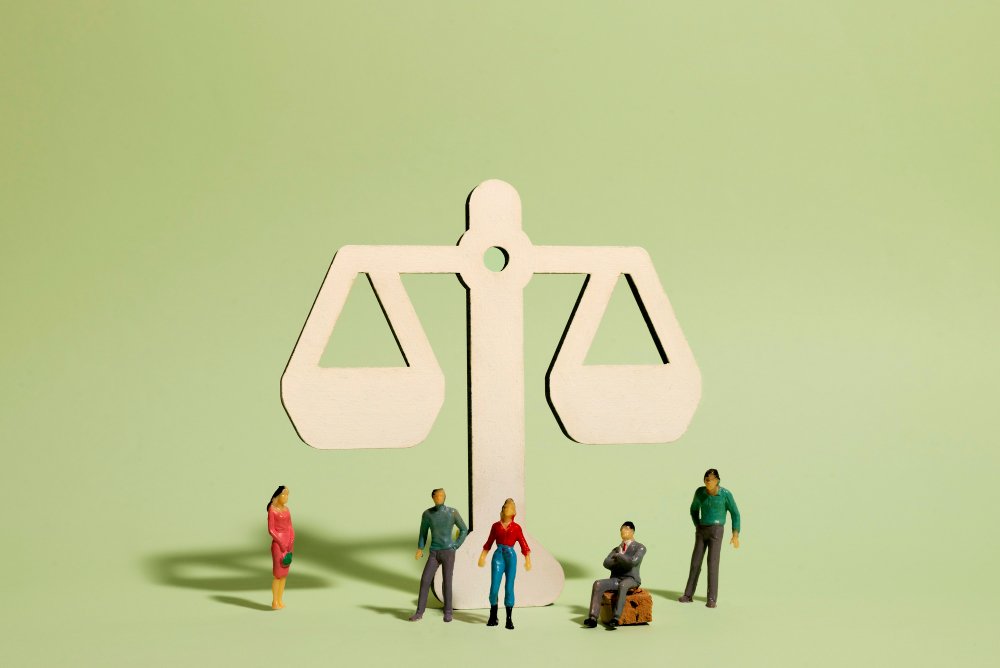
Imagine a world where everyone has equal access to resources and opportunities. In such a world,
injustice is rare.
Social justice means everyone gets a fair share of wealth, chances, and privileges. As the gap between the rich and the poor grows, the need for
social justice is more urgent than ever.This pursuit aims to tackle these inequalities. It ensures everyone has a chance to succeed, no matter their background. It fights for
equity and against
injustice.
Social justice is key to a fair and caring society. The San Diego
Economic Equity Report shows many struggle to afford basic needs. Some communities face huge inequalities. Efforts like the Black Community Investment Fund and the El Camino Fund work to fix these issues. They aim to increase racial
equity and help people move up the economic ladder.
Key Takeaways
- Social justice means fair distribution of resources, opportunities, and privileges, promoting equity and fighting injustice.
- Economic inequality is a big problem, with the rich getting richer and the poor poorer in many places, showing the need for social justice.
- Projects like the Black Community Investment Fund and the El Camino Fund aim to boost racial equity and help people financially, tackling social injustice and promoting fairness.
- Having access to basics like shelter, food, medical care, and education is vital for social justice. But, these are often limited by gender, race, or class, leading to injustice.
- For social justice, we need human rights, access, participation, and equity. These are the four pillars for a fair and compassionate society, free from injustice.
- To fight social injustice, we need a big plan. This includes policy changes, advocacy, and community involvement to promote fairness and justice.
- Education and awareness are important for social justice. They help us understand and tackle the deep-seated inequalities that cause injustice and promote fairness.
Understanding Social Justice in Today’s World
Social justice is a complex idea that includes many principles. At its heart, it’s about making sure everyone gets the same chances and resources.
Equality is key, meaning everyone should have the same rights and chances. But, equity is different, as it sees that people might need different things.The National Association of Social Workers says social justice means everyone deserves the same rights and chances. The Center for Economic and Social Justice sees it as a guide for fair human interactions. Social justice needs advocacy and action, as people and groups must fight for the rights of those who are left behind, ensuring equity and equality for everyone.
Defining Social Justice and Its Core Principles
Social justice is linked to “distributive justice,” which is about fair sharing in society. A key idea is equal access to important things like education, healthcare, and jobs. This helps bring equity and equality to all.
The Relationship Between Equality and Equity
Studies show that racial and ethnic minorities often face economic and social challenges. The idea of “health equity” is growing, showing that no one should miss out on good health because of their background. This shows how important advocacy is in fighting for equity and equality.
The Historical Evolution of Social Movements
Social movements have greatly influenced history. The
civil rights movement is a key example. It started in the 1950s and 1960s, aiming to end racial segregation and
discrimination against Black Americans.Through
activism and nonviolent resistance, the movement highlighted injustices faced by
marginalized communities. This led to major changes, like the Civil Rights Act and the Voting Rights Act.Social movements have made
big changes in society. They’ve helped end slavery and fight for women’s rights. The labor movement, for example, won important victories with the Fair Labor Standards Act. This act set a minimum wage and a 40-hour work week.These movements show the strength of working together. They highlight the role of
activism in fighting for justice and protecting
marginalized communities.Today, social movements are key in fighting for justice. They focus on issues like
environmental justice, LGBTQ+ rights, and disability rights. The
civil rights movement has inspired many activists today.They are tackling ongoing challenges faced by
marginalized communities. By learning about social movements’ history, we see the value of
activism. It helps create a fairer and more just society.
Pillars of Social Justice in Modern Society
Social justice has three main pillars:
economic justice,
environmental justice, and
political representation.
Economic justice means everyone gets a fair share of economic resources and chances. The San Diego Foundation says this is key to social justice, making sure all have equal economic opportunities.
Environmental justice is also important. It means everyone gets fair access to clean air, water, and land.
Political representation is vital too. It ensures
marginalized communities have a voice in politics, so their concerns are heard.
Key Components of Social Justice
These pillars work together to achieve social justice. Economic, environmental, and political justice all help create a fair society. By focusing on these areas, we can build a world where everyone has what they need to succeed.
Barriers to Achieving Social Justice
Systemic inequalities and
discrimination make it hard to reach social justice. The National Association of Social Workers says these barriers stop marginalized groups from getting what they need. They keep people treated unfairly because of race, gender, or money status.Studies show we need to fight these barriers with
advocacy and policy changes. A study by Killen et al. (2011) shows we can challenge unfairness from a young age. Also, psychology’s data collection has been criticized for being biased, affecting racial and ethnic minorities (C. S. Brown et al., 2019). We must reflect on ourselves, understand our identities, and tackle these issues.The Three D’s – denial, disengagement, and derailment – can slow down social justice efforts. Fear in the workplace can lead to bad behaviors, stopping us from solving social justice problems. By facing these obstacles, we can strive for a fairer world where everyone has a chance, no matter who they are.
The Role of Advocacy in Promoting Change
Advocacy is key in fighting for social justice. It gives a voice to those who are often ignored. It helps bring about change by tackling unfair systems and pushing for
equality.According to the Center for Economic and Social Justice, advocacy and
activism are vital. They help
marginalized communities speak out and demand fairness.
Grassroots Movements
Grassroots movements focus on local action for social justice. They bring people together to tackle specific problems. For instance, advocacy has led to big wins, like changing laws to protect the LGBTQ+ community.
Digital Activism
Digital
activism uses the internet to fight for justice. It uses social media and websites to spread awareness and support. This way, advocacy can reach more people and make a bigger impact.
Impact on Marginalized Communities
Marginalized communities face big challenges because of
systemic inequalities. These issues lead to poor health, limited jobs, and less access to education. The COVID-19 pandemic has hit these communities hard, showing the need for empowerment strategies.
Addressing Systemic Inequalities
Systemic inequalities, like discriminatory practices and poor healthcare access, cause big gaps in health, education, and jobs. For example, Black Americans have a 50% higher rate of chronic illnesses than whites. Also, only 16% of Black students finish a four-year college, compared to 38% of whites.
Community Empowerment Strategies
Community empowerment is key to fighting for social justice in marginalized communities. It involves partnerships and organizations working together. These efforts help
connect people to services, tackle health issues, and build community power.By supporting empowerment, we can fight
systemic racism. This leads to a fairer society for everyone.
Measuring Progress in Social Justice Initiatives
It’s key to measure progress in social justice efforts. This helps us see what’s working and what needs work. The Center for Economic and Social Justice says we can track progress by looking at poverty and inequality, health, and education access.The JUST label has 22 social justice indicators. It helps us see if organizations are fair. Tools like SEAM and WELL Equity Rating also help in the built environment. They let us track progress and find ways to get better.Getting the community involved in evaluation makes a big difference. It helps in making lasting changes. When people help decide how to
measure success, they feel more in control of change. This way, we can make real progress in social justice.As social justice work grows, measuring progress is more important than ever. It helps organizations make sure their efforts are making a difference. Using tools like the JUST label, SEAM, and WELL Equity Rating is a big step towards a fairer world.
The Intersection of Technology and Social Justice
Technology is key in fighting for social justice. Yet, it also brings up big issues like the
digital divide. The San Diego Foundation says tech can help a lot with social justice. But, 23% of U.S. homes with kids don’t have enough internet.
Technology is playing a bigger role in social justice fights. Social media is a big help in spreading the word and getting people involved. But, the
digital divide keeps some groups from getting the chance to join in. We need to make sure tech helps everyone equally.
Digital Divide Considerations
More than 40% of low-income adults don’t have a computer. This digital gap stops people from getting into education, jobs, and healthcare. We must invest in digital tools and make tech affordable for all.
Social Media as a Tool for Change
Social media is a strong tool for social justice. It lets marginalized groups share their stories and push for change. A 2022 survey showed 71% of Americans want tech to focus on ethics and social justice. Social media and digital tools help social justice movements grow and make a bigger difference.
Building a More Just Future: Our Collective Responsibility
Achieving social justice is a team effort, not just one person’s job. We all must work together to make the world fairer. It’s important to stand up for the rights of those who are often overlooked.We need to tackle the deep-seated problems that keep people down. This means fighting against unfair systems and working for real change. Together, we can make a difference.By becoming part of the change, we help make society better for everyone. We all deserve the same chances to succeed. It’s about understanding and facing the hard truths about injustice.Grassroots efforts, online campaigns, and joining forces with others can make a big impact. We can help break down barriers and fight for
equality. Supporting education, diversity, and green policies is key to a better
future.The journey to a fairer world won’t be easy, but we can do it. Standing united and dedicated to justice, we can overcome any hurdle. Let’s work together to ensure everyone has a chance to succeed, no matter who they are.