One surprising stat: a confederation with 21 affiliates now works across roughly 79 countries, showing how broad coordinated relief can reach millions.
This organization began in 1942 as the Oxford Committee for Famine Relief and today pairs local programs with global policy to confront poverty and injustice.
The confederation model keeps teams agile. Country offices deliver practical programs while a Nairobi secretariat helps align strategy, policy, and funding.
Expect clear information about who leads the group, where it works in the world, and how its mission drives action on inequality, gender justice, climate, and humanitarian response.
People-centered work links community experience with policy change. The page also outlines how to explore country-level efforts, U.S. advocacy, and ways to engage responsibly.
Key Takeaways
- The confederation model enables coordinated, large-scale humanitarian action across regions.
- Nairobi houses the secretariat, with offices in major policy hubs for global coordination.
- Core themes include tackling economic inequality, gender justice, and climate change.
- The approach connects local people with decision-makers for evidence-based solutions.
- This page offers concise, up-to-date information on mission, structure, and services.
Who We Are: Mission, Values, and Global Reach
A network of independent affiliates unites around a clear mission: to end poverty and injustice by addressing root causes and protecting rights for people and communities.
Our mission to end poverty and injustice
We focus on systems change alongside direct services. That means combining research, lived experience, and coalition-building to design programs that last. The work centers dignity, rights, and equality for those facing poverty.
A confederation working in 70+ countries with locally led action
Affiliates operate as independent organizations aligned by shared values and standards. Country teams lead context-specific solutions and form equitable partnerships that prioritize community leadership.
Headquarters in Nairobi and a global presence
The secretariat in Nairobi coordinates strategy and supports liaison offices in policy hubs. This structure helps local realities shape regional and global decision-making while enabling resource sharing and surge capacity during crises.
Safeguarding, accountability, and learning guide all work, from humanitarian response to advocacy, building a more resilient future for the communities we serve.
Oxfam International
Twenty-one to twenty-two independent affiliates pool resources and voice to pursue an equal future. This confederation model preserves national leadership while aligning shared priorities, standards, and campaigns across the world.
A network of independent affiliates, united for an equal future
The secretariat leads coordination, convenes affiliates, and supports surge response during crises. A legal entity, Stichting Oxfam International, provides a platform for pooled services, research, and public reporting.
How collective decision-making strengthens impact around the world
The board includes affiliate chairs, the executive director, and the chair of the confederation, with elected deputies to ensure balanced oversight. This governance structure promotes transparency and shared accountability while amplifying country voices.
Collective decisions align global workstreams so teams learn faster and share expertise. Power-sharing ensures direction reflects realities on the ground and helps scale programs, advocacy, and policy change.
Research and evidence guide strategy. Public reporting and peer review build trust and let affiliates refine their work based on results and stakeholder feedback.
Core Areas of Work: From Inequality to Climate Action
Core program areas focus on systemic change that links inequality, climate action, and gender justice to better outcomes for communities.
Tackling inequality as a root cause
Unequal access to wealth, power, and services drives poverty and social injustice. Programs combine community-led solutions with policy campaigns to fight inequality and expand social protection.
Climate action and accountability
Priority action includes holding wealthy polluters accountable, securing climate finance, and pushing a just, feminist energy transition that centers affected communities. Policies seek measurable gains in resilience and reduced climate risk.
Economic and racial justice
Efforts shift power through fair tax systems, living wages, and stronger public services. Advocacy targets corporate accountability to fund schools, health care, and decent work that benefit local people.
Humanitarian response
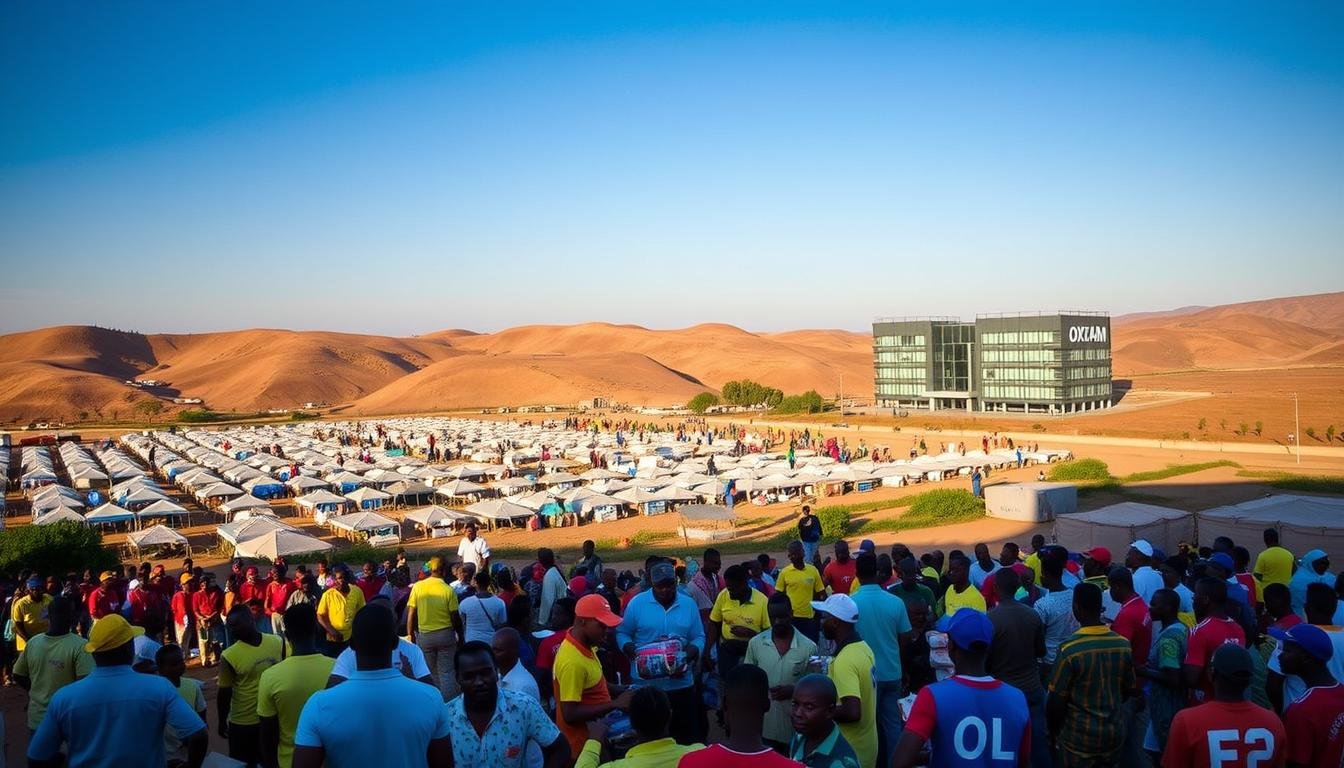
Rapid, locally led relief supplies water, sanitation, protection, and cash assistance in crises. Programs partner with local responders to combine lifesaving help with longer-term recovery and resilience.
Women’s rights and gender justice
Gender is integrated across all work, promoting feminist leadership, girls’ education in conflict settings, and programs that engage men to challenge harmful norms. Safeguards and accountability protect dignity and reduce gender-based violence.
Our Impact: Data, Stories, and Countries We Serve
Hard data and field stories make the case for systems change to reduce poverty and protect rights globally.
Inequality in focus: Research shows stark wealth concentration, by 2014 the 85 richest matched the bottom half of the world, and by 2017 eight billionaires held the same wealth as the poorest half. These figures explain why systems change matters for lasting impact.
Inequality and why it matters
Programs connect local evidence with policy to tackle economic gaps and strengthen rights. Country-level learning guides global advocacy aimed at reducing poverty and shifting power toward communities.
Clean water, food security, and protection in crises
Rapid response and WASH expertise deliver clean water, sanitation, food, and protection in emergencies. Scalable solutions, cash assistance, WASH services, and women‑led protection networks, reach millions of people and support recovery.
Where we work: explore countries and communities
Country pages on the world map show programs, partners, and community priorities. Transparency about results and safeguarding helps readers see what works and what needs improvement for a more resilient future.
Oxfam in the United States: Policy, Advocacy, and Action
In the United States, the affiliate links community experience with federal policy to push for fair taxes, worker protections, and climate resilience. The U.S. presence aims to make policy wins that scale globally and show how public revenue can fund essential services.
Oxfam America is headquartered in Boston with a policy office in Washington, D.C. These sites lead campaigns for climate adaptation, food security, access to medicines, and aid reform. They coordinate legislative strategy and movement building across states.
Oxfam America: offices, campaigns, and U.S. leadership
The U.S. team works with coalitions, researchers, and frontline people to design practical solutions. Campaigns push for tax justice so schools, health care, and decent work receive stable funding.
Tax justice, decent work, and funding public goods
Advocacy focuses on shifting power by ensuring the ultra-rich and big corporations pay their fair share. Policy wins translate into wage protections, climate investments, and stronger public services.
Impact is measured by laws passed, budgets changed, and services improved for communities. U.S.-focused action helps end poverty injustice by influencing standards, finance, and corporate accountability.
Readers in the U.S. are invited to learn, engage, and advocate so that the future starts with local leadership and equitable systems that support decent work.
Accountability, Transparency, and Continuous Improvement
Clear governance and firm oversight help build public trust and guide fast response when problems arise. The confederation model links affiliate boards with the secretariat to manage risk, set shared policies, and ensure transparency.
Governance across affiliates and the secretariat
Board roles include the executive director, affiliate chairs, and the confederation chair. These voting members oversee risk management, safeguarding standards, and annual reviews each year to strengthen systems.
Learning from challenges to strengthen safeguarding and trust
Clear escalation paths let people report if something has gone wrong. Feedback channels and independent oversight provide timely responses during crisis or routine operations.
Incident management logs capture details when users see an error or an error code on a form. Documented protocols explain what to do when code or processes have gone wrong.
Survivor-centered safeguarding, mandatory training, and independent investigations protect participants and staff. Data protection rules ensure secure handling of personal and donor information.
Reports and learning products tell the story of improvements over the years. Continuous cycles of audits, evaluations, and peer learning help affiliates adapt quickly and prevent repeat issues.
Conclusion
Conclusion
From local programs to policy campaigns, coordinated action delivers clean water, protection, and livelihoods to people in countries around the world.
We work with partners and communities to help people secure rights, services, and safety. Coordinated programs and advocacy advance equality, gender justice, and climate action to end poverty injustice at scale.
Explore country pages to see how teams respond in crisis and support recovery. If a donation page shows an error or code, try again and contact support, issues are logged and fixed promptly.
Tackling concentrated wealth and oligarchy matters for fair taxation and lasting change. Join the mission: share information, take action, and help build a future where people everywhere can thrive.