Nearly 60% of shoppers say brand purpose affects their purchases, a fact that reshapes how premium labels must prove their promise.
JOYYA is presented here as a high-end ethical partner brand offering refined clothing and accessories for discerning US buyers. The company pairs design-led style with measurable responsibility signals.
This case study uses third-party standards, including the WFTO Guarantee System and GOTS, to assess supply practices and real-world outcomes for people, planet, and animals.
We’ll examine materials like 100% organic cotton and water-based inks, production choices that shape product quality and environmental footprint.
The analysis highlights leadership programs for women, certified worker protections, and areas needing attention, such as animal-material governance and packaging minimization.
Expect a data-driven journey that links premium craftsmanship to measurable impact and practical lessons for buyers and stakeholders in the US market.
Key Takeaways
- JOYYA blends premium design with documented social standards and certifications.
- Third-party marks (WFTO, GOTS) support claims about people and materials.
- 100% organic cotton and water-based inks reduce environmental footprint.
- Worker empowerment and women’s leadership are notable strengths.
- Animal-material policy and packaging remain areas for improvement.
- The case study connects supply choices to brand perception in the United States.
Case Study Scope and Brand Context in the present
This case study defines the brand’s present role in premium apparel and the ethical standards behind its production. It focuses on the fashion business: four Kolkata factories that produce garments under Fairtrade rules using GOTS-certified 100% organic cotton and non-toxic water-based inks.
Who JOYYA Is in Fashion: Products, clothing, and luxury positioning
The fashion arm operates as a premium-aligned manufacturer that blends elevated design with transparent manufacturing. Final production carries WFTO and other certifications, aligning product quality with US luxury expectations. Operations include health and safety and pollution control certifications to protect workers and local communities.
What This Case Study Covers and What It Doesn’t
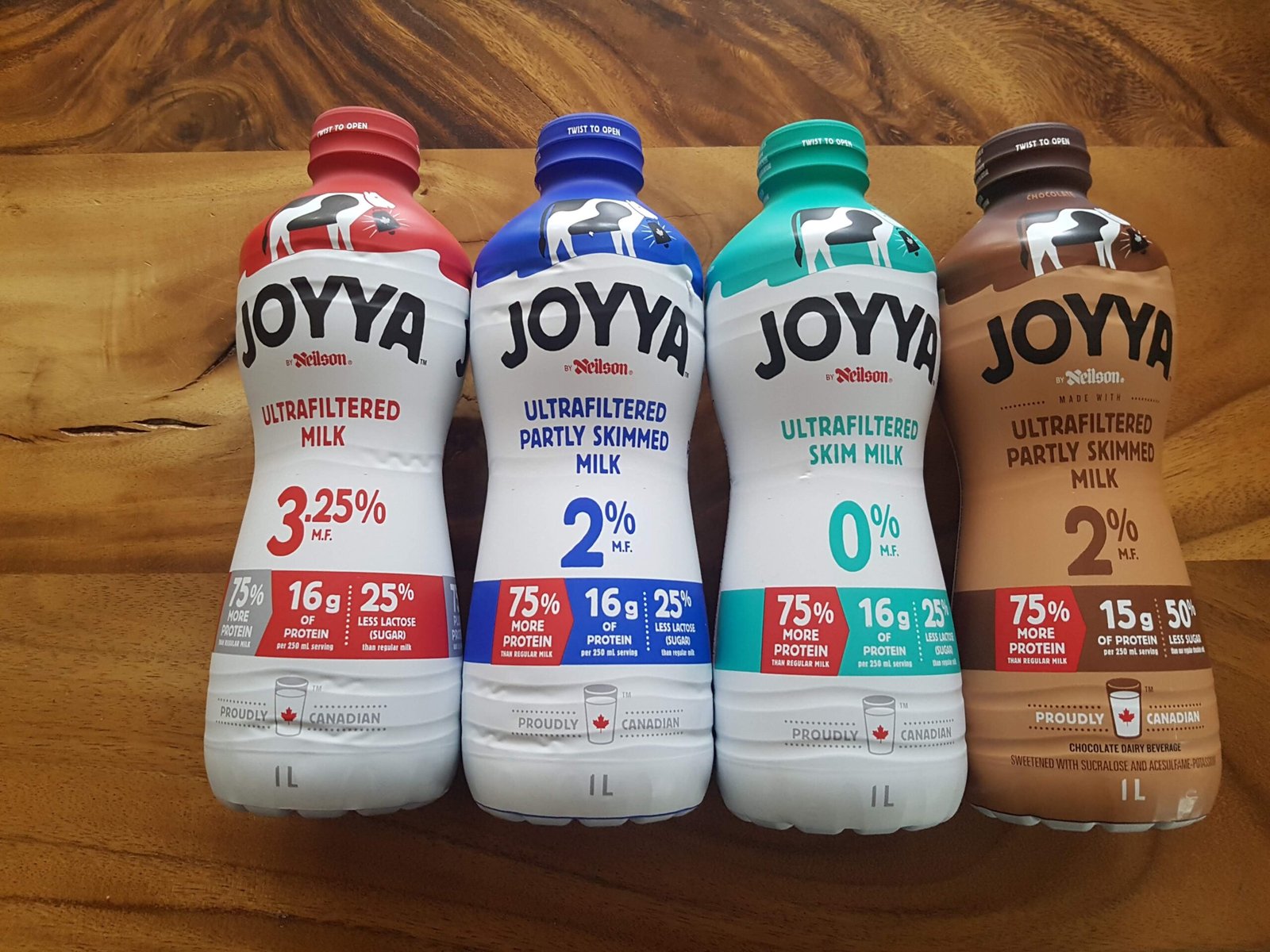
This analysis examines the fashion manufacturer’s supply and chain practices, certifications, worker programs, and community outcomes. It intentionally excludes the unrelated Joyya ultrafiltered milk business, which is a Quebec-based dairy product processed by ultrafiltration and UHT methods and packaged in PET bottles.
Evaluation pillars include product materials, production governance, worker protections (including ILO-aligned child safeguards), and community impact on family life. The goal is to help US buyers weigh traceability, trust, and ethical differentiation when interpreting impact claims.
JOYYA Supply Chain and Production: People, Planet, and Animals Performance
The brand’s operational decisions affect environmental impact, worker conditions, and material risk across the supply chain.
Planet practices
Lower-impact materials and controlled processes cut chemical loads and reduce water and wastewater discharges in early production stages. Using GOTS-certified cotton and water-based inks helps meet eco-conscious buyer expectations in the United States.
Completing first and second production stages closer to home reduces transport emissions and improves quality control for sensitive products. A current gap: no disclosed plan to reduce packaging.
People standards
Final production is WFTO-certified, giving fair trade governance, transparency, and grievance mechanisms that strengthen worker voice. Most of the supply has been traced, and an ILO-aligned Code of Conduct addresses forced labor, child labor, and freedom of association.
Leadership programs for women and a wage-improvement initiative are notable. However, there is no clear evidence living wages are paid across most tiers, a key concern for responsible sourcing teams.
Animals, inputs, and circularity
Animal considerations are mixed: leather appears in some lines but there is no formal animal welfare policy. The brand avoids angora, fur, wool, cashmere, alpaca, mohair, and down, which lowers risk for many buyers.
Products use GOTS-certified 100% organic cotton and non-toxic water-based inks, supported by health and safety and pollution-control certifications. To strengthen credentials, publish material mix percentages, set packaging-reduction targets, and issue an animal welfare policy to close transparency gaps.
Market Presence, Community Impact, and Business Partnerships
Buyers now expect premium clothing to prove social results alongside design. The Untouched World x JOYYA Project U collections are made in Fairtrade-certified factories and channel profits to the Untouched World Foundation. This partnership links product quality to documented community impact for U.S. retailers and consumers.
Measured outcomes show how work becomes social uplift. Entry-level wages rose 16% over three years, and vocational programs delivered 18,500 hours of training and 41,550 hours of education. Free clinics offered over 720 hours of care, helping women and their family health needs.
Household-level benefits are tangible. Thirty-five interest-free loans funded home repairs and improvements, improving safety and dignity at home. Sales of 1,886 Project U Tees in 2022–2023 directly supported these initiatives.
Verified practices strengthen due diligence. GOTS 100% organic cotton, water-based inks, and H&S and pollution-control certifications make supply chain claims verifiable for U.S. buyers. Progress on wages and leadership paths is clear, though third-party living-wage verification remains a next step.
For brands and retailers, linking a garment to quantifiable benefits for women, family, and communities creates a market edge. Share Project U outcomes at point of sale to boost conversion and loyalty, and keep publishing KPIs, wages, training hours, water access, and home improvements, to sustain credibility as distribution scales.
Conclusion
Conclusion: JOYYA positions itself in fashion as a premium-leaning maker of products and clothing that pair design with verifiable standards. Certified inputs and clear labeling make the offering credible for US buyers seeking style with substance.
The supply chain shows strengths: WFTO-certified final production, GOTS 100% organic cotton, and traceability that lowers risk for forced or child risks. Localized early-stage work reduces emissions and improves oversight.
On living standards and life outcomes, the brand reports wage gains, leadership programs for women, and tangible community benefits from Untouched World partnerships. Animal risks are limited but the absence of a formal animal welfare policy and packaging targets is a clear next step.
Buyers’ takeaway: integrate the brand’s metrics into sourcing criteria, request material mixes, demand living-wage verification, and push for an animal policy and packaging goals to strengthen responsible purchase decisions.