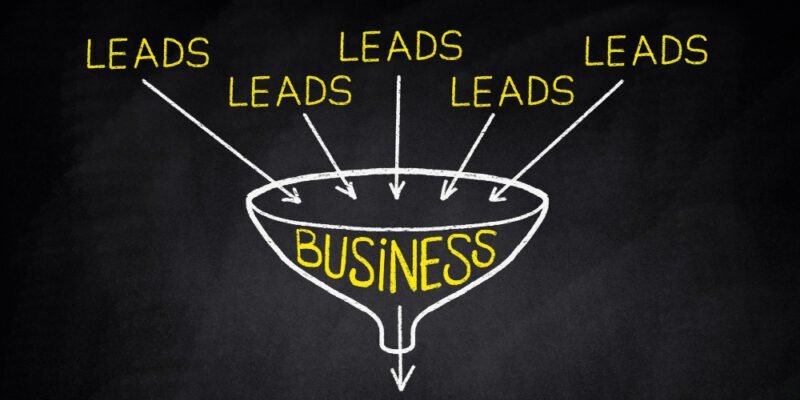
What if you could attract customers who are already looking for what you offer? Imagine turning online interest into real sales without cold calls or guesswork.
Digital lead investing uses smart marketing to find potential buyers based on their behavior. It focuses on people who show interest in products like yours.
This modern approach is faster and more cost-effective than old methods. Small to medium-sized businesses benefit greatly from its targeted nature.
You can use both inbound and outbound strategies. Automation and data help make the process smooth and consistent.
This guide will show you the steps, clear up myths, and share best practices. Let’s build a system that brings steady leads to your business.
Key Takeaways
- Attract leads based on online behavior and interests.
- More targeted and faster than traditional marketing.
- Cost-effective and scalable for small to medium businesses.
- Uses both inbound and outbound marketing methods.
- Automation and data help maintain consistency.
- Aligns with current consumer habits and trends.
- Requires a clear strategy for best results.
What Is Digital Lead Investing?
Instead of chasing cold prospects, you attract warm leads through strategic online presence. This approach focuses on creating pathways for interested people to find your business.
Digital lead investing means using online channels to generate quality prospects. It leverages tools and strategies to engage potential customers where they already spend time.
This method differs greatly from traditional approaches. It reaches more people faster and costs less than cold calling or print ads.
The process includes both organic and paid techniques. Inbound methods attract visitors through valuable content. Outbound methods use targeted ads to reach specific audiences.
Data drives every decision in this approach. You can track results precisely and adjust your strategy in real time.
Businesses use this to boost conversions and sales. It also builds brand awareness among relevant audiences.
This approach works because people research online before buying. They use search engines, social media, and email daily.
Common channels include social platforms, search engines, and email campaigns. Each channel serves different purposes in the overall strategy.
Success requires a clear plan and consistent effort. Random actions won’t produce sustainable results over time.
Understanding these fundamentals prepares you for the specific strategies covered next. You’ll see how to implement this approach effectively.
Inbound vs. Outbound Marketing: Core Concepts
Every successful strategy uses two main approaches to find potential buyers. These methods work together to create a complete system for growth.
One method pulls people toward your business with helpful content. The other pushes your message out to specific groups of people.
Both approaches help you connect with interested individuals. They use different tactics but share the same goal of building your customer base.
Understanding Inbound Marketing
This approach focuses on attracting people naturally. You create valuable content that answers questions and solves problems.
Search engine optimization helps your content appear in relevant searches. Social media engagement builds relationships with potential customers.
Content marketing establishes your expertise and trustworthiness. People discover your business when researching solutions online.
These leads often convert at higher rates. They already know and trust your brand before making contact.
HubSpot grew dramatically using inbound methods. They offered free tools and educational content that attracted millions of users.
Understanding Outbound Marketing
This method involves reaching out directly to potential customers. You initiate contact through various channels to generate interest.
Pay-per-click ads appear to people searching for specific terms. Cold emailing introduces your solution to relevant businesses.
Telemarketing allows personal conversations with decision-makers. These efforts target specific audience segments most likely to buy.
Outbound techniques can produce faster results than organic methods. They work well for businesses with clear target customers.
Salesforce used aggressive outbound tactics in their early growth. Their direct outreach helped them become an industry leader.
Each approach suits different business needs and budgets. Inbound typically costs less per lead but takes longer to show results.
Outbound requires more budget but can accelerate growth. Many companies use both methods to balance immediate and long-term gains.
The best strategy combines both approaches effectively. Align your methods with overall business objectives for maximum impact.
Track results from each channel to optimize your efforts. Adjust your mix based on what works best for your specific audience.
5 Steps to Build a Digital Lead Investing System
Creating a successful system requires following a clear roadmap. These five steps help you build a foundation that attracts quality prospects consistently.
Each phase builds upon the previous one for maximum impact. You’ll establish clear objectives, understand who you’re targeting, and allocate resources smartly.
Then you’ll pick the best platforms and expand what works. This approach ensures steady growth and better returns over time.
Step 1: Define Your Specific Goals
Start by setting clear, measurable objectives for your efforts. Without specific targets, it’s hard to track progress or success.
Good goals might include acquiring 100 new customers or growing your email list by 10,000 subscribers. These targets give your team clear direction and motivation.
Measurable goals help you adjust strategies quickly when needed. They also make it easier to calculate your return on investment accurately.
Step 2: Know Your Audience
Understanding your ideal customers is crucial for effective marketing. Research their demographics, interests, and online behaviors thoroughly.
Use surveys, social media insights, and analytics tools to gather this information. This knowledge helps you create messages that resonate deeply.
When you know what your audience wants, you can offer better solutions. This connection drives higher conversion rates and customer loyalty.
Step 3: Determine Your Budget
Allocate funds based on potential return and efficiency. Your budget should support your goals while maximizing every dollar spent.
Consider both initial costs and ongoing expenses for tools and ads. Track spending carefully to ensure you’re getting the best possible results.
Smart budgeting allows for testing and optimization over time. It helps you focus on strategies that deliver the most value.
Step 4: Choose the Right Channels
Select platforms where your target audience spends their time. Popular options include social media, search engines, and email.
Analyze competitor presence and performance on these channels. Focus your efforts where you can achieve the best visibility and engagement.
Using the right channels ensures your message reaches interested people. This precision improves quality and reduces wasted effort.
Step 5: Scale Strategies to Build Your Brand
Expand successful approaches to increase your reach and impact. Invest more in campaigns that show strong results and positive feedback.
Enhance your content to provide more value and establish authority. Consistency in messaging strengthens recognition and trust among prospects.
Scaling builds momentum and accelerates growth for your business. It turns initial successes into long-term advantages.
These steps work best when applied iteratively with continuous optimization. Companies like Moz and Shopify used similar frameworks to grow their brands significantly.
Data-driven decisions and consistent effort create sustainable systems. Regularly review and adjust each component based on performance metrics.
Best Digital Lead Investing Strategies for 2024
Staying ahead in 2024 requires adopting proven techniques that deliver quality prospects. The right approaches help you connect with people actively seeking solutions.
Each method offers unique benefits for different business needs. Combining multiple techniques often produces the best overall results.
Search Engine Optimization (SEO)
SEO helps your website appear in organic search results. This approach targets people using search engines to find solutions.
Begin with thorough keyword research to understand what terms your audience uses. Create quality content that answers their questions completely.
Build backlinks from reputable websites to increase authority. This method delivers sustainable traffic over time without ongoing ad costs.
Track rankings, organic traffic, and conversion rates. SEO typically takes months to show significant results but offers excellent long-term value.
Cold Email Outreach
This direct approach works well for B2B companies seeking specific clients. It involves personalized communication with potential customers.
First, identify your ideal customer profile and gather relevant email addresses. Craft messages that address specific pain points and offer clear value.
Personalization is crucial for better response rates. Follow up consistently but avoid being overly aggressive.
Measure open rates, response rates, and conversion metrics. This strategy can generate quick responses from qualified prospects.
Content Marketing
Create valuable materials that attract and engage your target audience. Useful content establishes your expertise and builds trust.
Develop blogs, videos, webinars, and other resources that solve problems. Distribute this content through appropriate channels where your audience spends time.
Quality content keeps people coming back and sharing with others. It supports other methods like SEO and social media marketing.
Track engagement metrics, shares, and how content contributes to conversions. This approach builds lasting relationships with potential customers.
Social Media Marketing
Platforms like Facebook and Instagram offer powerful ways to reach audiences. You can use both organic posts and paid ads on these networks.
Create content that resonates with your specific audience’s interests and needs. Engage with comments and messages to build community.
Paid social media ads allow precise targeting based on demographics and behaviors. Test different ad formats and messaging to find what works best.
Monitor engagement rates, click-through rates, and conversion data. Social platforms provide detailed analytics to optimize your efforts.
Pay-Per-Click (PPC) Advertising
PPC ads deliver immediate visibility on search engines and other platforms. You only pay when someone clicks on your advertisement.
Set up campaigns with targeted keywords and compelling ad copy. Create dedicated landing pages that align with your ad messaging.
This approach generates quick results and measurable ROI. It’s ideal for testing new markets or promoting specific offers.
Track click-through rates, cost per acquisition, and return on ad spend. Adjust bids and targeting based on performance data.
Each strategy has distinct advantages. SEO builds lasting organic traffic while PPC offers immediate visibility.
Content marketing establishes authority while cold email provides direct access. Social media enables community building and precise targeting.
Integrate multiple approaches for comprehensive coverage. Use data from each channel to inform and improve others.
Adapt your mix based on performance metrics and audience feedback. The most successful businesses use a balanced combination of these techniques.
Myths vs. Reality in Digital Lead Investing
Many business owners encounter conflicting information about online customer acquisition. Understanding what’s true and what’s not helps you make better decisions for your growth.
Digital Leads Are Cheaper: Reality
Online customer acquisition often costs less than traditional methods. While expenses vary by industry, most businesses see better cost efficiency.
Compared to television ads or print media, digital channels typically offer lower costs per acquisition. A recent survey showed small businesses save 30-50% on customer acquisition costs using online methods.
Strategic planning ensures you get the most from your marketing budget. Focus on channels that deliver quality prospects at reasonable costs.
Immediate ROI: Myth
Some expect instant returns from their online efforts. This expectation often leads to disappointment and early strategy abandonment.
Methods like SEO and content marketing require time to show meaningful results. These approaches build gradually but deliver sustainable long-term value.
Faster methods like PPC ads show quicker returns but still need optimization. Most campaigns take 3-6 months to reach their full potential.
Patience and consistent effort yield the best outcomes. Set realistic timelines for your investment to pay off.
Tracking Campaigns: Reality
Modern tools provide detailed insights into your marketing performance. You can measure nearly every aspect of your campaigns in real time.
Platforms like Google Analytics show exactly how visitors interact with your content. You can track conversions, engagement rates, and customer journeys.
This data helps optimize strategies for better results. Automation and AI tools further enhance your ability to refine approaches quickly.
Regular monitoring ensures you maximize returns on your marketing investment. Adjust tactics based on performance data rather than assumptions.
Targeted Audience Identification
Knowing exactly who wants your product transforms how you find new buyers. This process turns random efforts into precise actions that deliver real results.
Audience identification means understanding who your ideal customers are. You learn their demographics, interests, and online behaviors through careful research.
This knowledge helps create messages that resonate deeply with potential customers. It ensures your marketing speaks directly to people most likely to buy.
Start with surveys to gather direct feedback from current customers. Use analytics tools to see how visitors interact with your website.
Social media insights reveal what content your audience enjoys. These methods combine to paint a clear picture of who you should target.
Create detailed buyer personas representing your ideal customers. Give them names, jobs, and specific challenges they face daily.
These personas guide content creation and channel selection. They help personalize communications for better engagement.
Tools like Google Analytics show visitor demographics and interests. CRM systems track customer interactions and preferences over time.
Continuous analysis ensures you adapt as audience behaviors change. People’s preferences evolve, and your approach should too.
This focused effort leads to higher conversion rates. It makes your marketing resources work more efficiently.
Niche down your audience for better targeting precision. Instead of “small business owners,” target “restaurant owners in urban areas.”
Avoid assuming you know your audience without data. Don’t target too broadly, which dilutes your message and wastes resources.
This foundational step influences all subsequent marketing efforts. Proper audience identification makes every dollar and hour count toward growth.
Setting Up Landing Pages and Lead Capture Forms
Your website needs special pages designed to turn visitors into potential customers. These pages focus on one clear goal – getting contact information from interested people.
Landing pages work differently than regular website pages. They remove distractions and focus on a single offer. Visitors see exactly what they get in exchange for their details.
Lead capture forms collect visitor information. They appear on landing pages and throughout your website. These forms help build your contact list for future communication.
Effective landing pages have clear value propositions and compelling visuals. Use strong headlines that match what brought visitors to your page. Include relevant images or videos that support your message.
Keep forms short and only ask for essential information. Longer forms often scare people away. Start with just name and email for better conversion rates.
Test different versions of your pages to see what works best. Change headlines, images, or button colors. Small improvements can significantly boost your results.
Offer valuable incentives to encourage sign-ups. Free e-books, discount codes, or trial periods work well. Make sure your offer matches what your audience wants.
Connect these pages to your overall marketing campaigns. Use them with social media ads, email promotions, or content offers. Consistent messaging across channels improves performance.
Tools like Unbounce and Leadpages simplify page creation. They offer templates and testing features. These platforms help even non-technical users build effective pages.
Ensure your pages load quickly and work on mobile devices. Most web traffic now comes from phones and tablets. Slow or poorly formatted pages lose potential customers.
Track how many visitors become leads. Monitor which pages and offers perform best. Use this data to continually improve your approach.
This process directly supports lead nurturing and conversion goals. Quality landing pages turn website traffic into measurable business opportunities.
Email Marketing for Lead Nurturing
Email remains one of the most powerful channels for turning interested prospects into loyal buyers. This approach focuses on building relationships through consistent, valuable communication.
Effective email marketing starts with ethical list building. Offer valuable resources like e-books or discounts in exchange for opt-ins. Always get explicit permission before adding contacts.
Craft sequences that address specific pain points. Provide useful content that helps leads solve problems. This builds trust and positions your business as a helpful resource.
Segmentation improves relevance dramatically. Group contacts by interests, behavior, or demographics. Personalize messages using their name and specific interests.
Automation ensures timely follow-up based on actions. Send welcome emails immediately after sign-up. Trigger educational series when leads download content.
Successful campaigns include welcome series and promotional blasts. Welcome emails introduce your brand and set expectations. Promotional emails highlight special offers or new features.
Track open rates, click-through rates, and conversion rates. These metrics show what content resonates most. Use this data to refine your approach continuously.
Integrate email with other channels for consistency. Share similar messaging across social media and your website. This creates a cohesive experience for potential customers.
Always comply with regulations like GDPR and CAN-SPAM. Include clear unsubscribe options in every message. Respect privacy preferences and communication frequency requests.
Proper email nurturing increases customer retention significantly. It builds loyalty and encourages repeat business. This directly impacts lifetime value and overall revenue growth.
Analytics and Optimization for Continuous Improvement
Successful marketing requires constant measurement and refinement. Tracking performance helps you understand what works and what needs adjustment.
Analytics tools provide valuable insights into your campaigns. They show how visitors interact with your content and where they come from.
Key metrics include conversion rates and website traffic. Cost per lead and customer acquisition cost are also crucial.
This data helps optimize your approach for better results. You can allocate resources more effectively and improve ROI.
Google Analytics offers detailed reports on user behavior. CRM systems track interactions with potential customers over time.
Marketing automation platforms streamline data collection. They provide dashboards with real-time performance metrics.
A/B testing compares different versions of content. Try alternate headlines, images, or call-to-action buttons.
Small changes can significantly impact conversion rates. Test one element at a time for clear results.
Data interpretation guides strategic decisions. Identify patterns and trends in campaign performance.
Shift budget toward high-performing channels. Adjust messaging based on audience response.
Optimization examples include refining ad copy. Landing page design improvements also boost conversions.
AI tools automate some optimization processes. They analyze large datasets quickly and suggest improvements.
Machine learning algorithms predict customer behavior. This helps personalize experiences at scale.
Continuous improvement keeps you competitive. Markets change and audience preferences evolve.
Regular analysis ensures you adapt effectively. Stay ahead of trends and consumer shifts.
Connect analytics to broader business goals. Align marketing efforts with growth objectives.
Data-driven decisions create sustainable success. They remove guesswork from strategy development.
Foster a culture that values measurement and testing. Encourage team members to use insights for innovation.
This approach maximizes returns on marketing investment. It turns information into actionable improvements.
Conclusion
Developing a reliable stream of qualified prospects necessitates understanding both technology and human behavior. This modern approach to customer acquisition offers clear advantages over traditional methods.
Success requires a strategic mindset and continuous optimization. Knowing your audience and selecting the right channels are fundamental to achieving quality results.
Remember that initial contact is just the beginning. Proper qualification and nurturing transform interest into loyal customers. Tools like analytics platforms and automation enhance this process significantly.
Start implementing these strategies today for sustainable business growth. Patience and persistence will yield rewarding returns on your marketing investment.
Explore additional resources to deepen your knowledge. The potential for success through this approach is substantial when applied consistently.
FAQ
What is digital lead investing?
Digital lead investing is a strategic approach to acquiring potential customers through online channels. It involves allocating resources to attract, engage, and convert prospects into qualified leads. This method focuses on building a pipeline of interested individuals who may become paying clients.
How does inbound marketing differ from outbound marketing?
Inbound marketing attracts customers through valuable content and experiences. Outbound marketing involves reaching out to audiences directly through ads or cold outreach. Both can be effective, but inbound often builds stronger long-term relationships.
What are the first steps to build a system for generating leads?
Start by defining clear goals and understanding your target audience. Then, set a realistic budget and choose the most effective channels for outreach. Finally, scale your efforts to strengthen your brand presence and maximize results.
Which strategies are most effective for generating leads in 2024?
Effective strategies include search engine optimization, content creation, social media engagement, and paid advertising. Cold email outreach also remains a valuable tool when personalized and targeted correctly.
Are digital leads really cheaper than traditional leads?
Yes, digital leads often cost less due to precise targeting and measurable campaigns. However, quality varies, and ongoing optimization is essential to maintain cost efficiency.
How important is audience identification in lead generation?
Knowing your audience is crucial. It ensures your messaging resonates and resources are spent effectively. Detailed audience research improves conversion rates and reduces wasted effort.
What role do landing pages play in capturing leads?
Landing pages are designed to convert visitors into leads by offering valuable content in exchange for contact information. They should be clear, focused, and easy to use to maximize conversions.
How can email marketing nurture leads effectively?
Email marketing builds relationships by delivering relevant content over time. It guides leads through the sales funnel with personalized messages, offers, and helpful information.
Why is analytics important for continuous improvement?
Analytics provide insights into what works and what doesn’t. Tracking performance helps refine strategies, allocate budget wisely, and achieve better return on investment over time.