What if the most significant barriers facing people with disabilities aren’t physical, but the assumptions society makes about their capabilities?
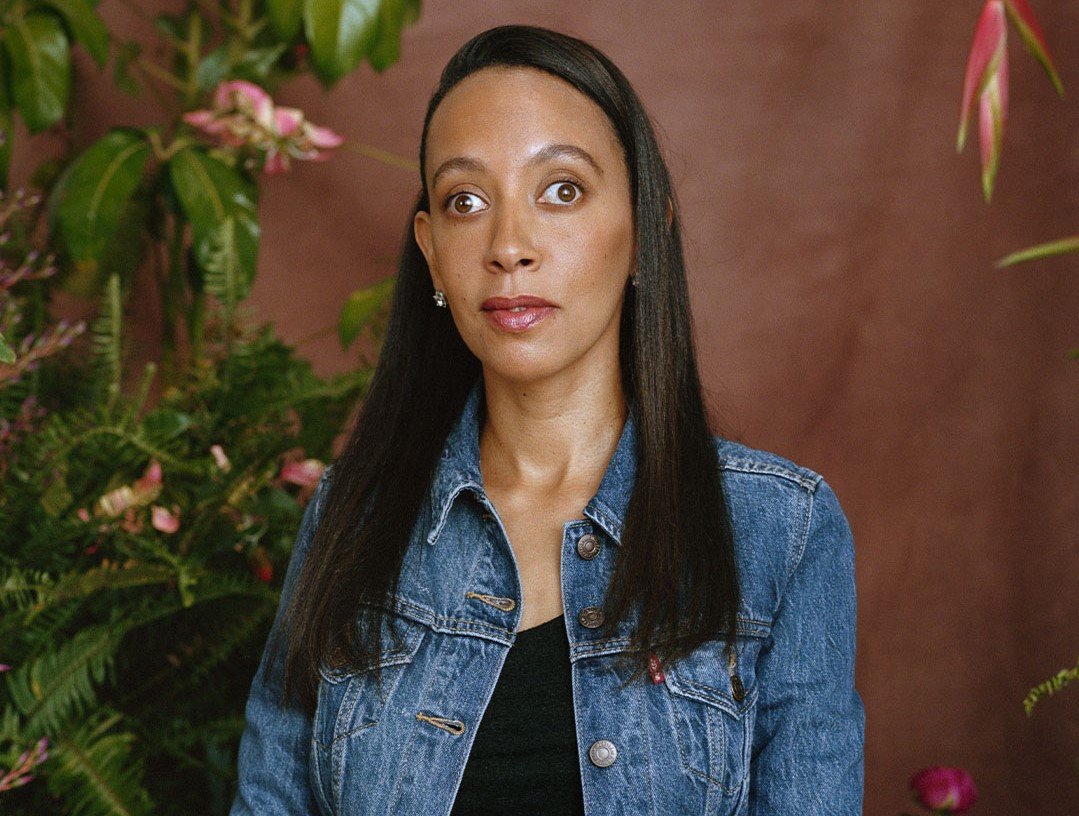
This question lies at the heart of Haben Girma’s transformative work. Born in 1988 to an Eritrean immigrant family in Oakland, California, she became the first deafblind person to graduate from Harvard Law School in 2013.
Her journey began with academic excellence, graduating magna cum laude from Lewis & Clark College in 2010. She then conquered Harvard Law, breaking down access barriers that many thought impossible to overcome.
Today, she works as a prominent disability rights lawyer, focusing specifically on digital accessibility and inclusion. Her advocacy moves beyond inspiration stories to create real systemic change.
Girma’s recognition extends to the highest levels, including honors from the White House. Her work redefines what’s possible for the disability community worldwide.
Key Takeaways
- First deafblind graduate from Harvard Law School in 2013
- Born in Oakland, California to Eritrean immigrant parents
- Graduated magna cum laude from Lewis & Clark College
- Focuses on digital accessibility and inclusion advocacy
- Works as a disability rights lawyer challenging access barriers
- Recognized by major institutions including the White House
- Advances disability justice through community interdependence
Early Life and Formative Years
Behind every groundbreaking advocate lies a personal story that shapes their mission. For this pioneering disability rights lawyer, childhood experiences with exclusion and accessibility challenges forged a powerful determination to create change.
Heritage and Family Background
Born to immigrant parents from East Africa, she grew up in a multilingual household. Her father came from Ethiopia while her mother fled Eritrea during its war for independence.
The family spoke Tigrinya, Amharic, and English at home. This rich cultural background provided early exposure to diverse perspectives on ability and inclusion.
Experiencing Deafblindness in Childhood
She gradually lost both vision and hearing due to an unknown progressive condition. Despite being deafblind, she retained approximately 1% of her sight.
Her older brother also experienced deafblindness but grew up in Eritrea without access to assistive technology. This stark contrast highlighted how location affects opportunities for disabled people.
The Americans with Disabilities Act provided crucial protections during her school years. This civil rights legislation ensured access to services that transformed her education.
Early Advocacy and the Impact of the ADA
She learned self-advocacy early, fighting for accommodations in classroom settings. These experiences taught her how to challenge access barriers effectively.
At just 15, she traveled to Mali with buildOn to help construct schools. This volunteer work exposed her to global education disparities.
She often felt excluded from activities others took for granted. “I was frequently left out of the spotlight,” she recalled, describing a world that seemed to forget she existed.
These formative experiences shaped her commitment to disability rights. They created a powerful voice for accessibility that would eventually reach the White House and beyond.
Academic Journey and Breaking Barriers
Higher education became the proving ground where this advocate would demonstrate that accessibility barriers could be overcome through innovation and determination. Her academic path transformed from personal achievement into a powerful statement about inclusion.
Undergraduate Studies at Lewis & Clark College
College presented both challenges and opportunities for growth. She immediately began developing advocacy skills that would shape her future career.
The cafeteria became an unexpected battleground for disability rights. She successfully fought for accommodations ensuring equal access to meal services.
This early victory demonstrated her commitment to practical solutions. It showed how legal rights could create tangible improvements for disabled students.
She graduated magna cum laude in 2010. This academic excellence proved that deafblind students could excel in competitive educational environments.

Pioneering Achievement at Harvard Law School
Her enrollment at Harvard Law School marked a historic moment. She became the first deafblind student to attend this prestigious institution.
Many educators expressed skepticism about her capabilities. “Many schools didn’t know how to teach me,” she recalled, “and I was often told I would not succeed.”
She developed innovative communication methods using assistive technology. A wireless keyboard connected to a braille display allowed for seamless interaction.
Digital braille devices became essential tools for accessing course materials. These technologies enabled her to conquer Harvard Law’s rigorous curriculum.
In 2013, she made history by graduating from Harvard Law School. This achievement created new possibilities for deafblind individuals in higher education.
Her legal education provided crucial training for disability rights advocacy. It equipped her with the skills to challenge systemic barriers through litigation.
This academic journey redefined what people thought possible for disabled students. It demonstrated that with proper accommodations, deafblind individuals could excel at the highest levels.
Career as a Disability Rights Advocate
After making history at Harvard Law, her legal career began with a commitment to transforming digital spaces for people with disabilities. She joined Disability Rights Advocates in Berkeley as a Skadden Fellow in 2013.
This position marked the start of her professional journey in disability rights law. She would soon become a staff attorney from 2015 to 2016.
Landmark Litigation: NFB v. Scribd
In 2014, she represented the National Federation of the Blind in a groundbreaking case. The lawsuit challenged Scribd for failing to provide access to blind readers.
The court delivered a significant ruling that expanded digital rights. It determined that the Americans with Disabilities Act covers online businesses.
This decision set an important legal precedent for digital accessibility. The settlement required Scribd to provide accessible content by 2017.
Advocating for Digital Accessibility
Her work extended beyond individual cases to broader advocacy. She believes digital information can be converted into any format.
Technology designers have the power to increase access for all users. This philosophy guided her approach to removing access barriers.
She shared these ideas at major conferences including TEDxBaltimore in 2014. In 2016, she spoke at Apple’s Worldwide Developers Conference.
Her appointment to the Helen Keller Services for the Blind board came in 2015. This role allowed her to influence services for the blind community.
Transition to Full-Time Advocacy and Education
In 2016, she left litigation for full-time advocacy and education work. This shift allowed her to focus on systemic change beyond the courtroom.
Her meeting with President Obama at the White House highlighted this transition. They discussed accessible technology importance during the 25th ADA anniversary.
Her impact on digital accessibility standards continues across industries. She demonstrates how proper design can eliminate barriers for disabled people.
This work creates more inclusive digital spaces for everyone in the community. It shows that accessibility benefits all users, not just others with disabilities.
Publications, Recognition, and Public Influence
Beyond legal victories, this advocate’s impact extends into publishing, prestigious awards, and global stages. Her influence reaches diverse audiences through powerful storytelling and recognition.
Bestselling Memoir: “Haben: The Deafblind Woman Who Conquered Harvard Law”
August 2019 marked a significant milestone with her memoir’s release. The book chronicles her journey as a deafblind woman who conquered Harvard’s rigorous law program.
Critical acclaim came from major publications including The New York Times. Oprah Magazine and the TODAY Show featured the inspiring story.
NBA superstar Stephen Curry praised the work for its powerful message. The memoir gives voice to experiences often overlooked in mainstream literature.
It provides unprecedented access into the world of a person navigating multiple disabilities. Readers gain insight into innovative communication methods and resilience.

Presidential Recognition and Major Awards
The White House honored her as a Champion of Change in 2013. This recognition came during the Obama administration for disability rights work.
Forbes included her in their 30 Under 30 list for Law & Policy in 2016. The same year, Pacific Standard named her among Top 30 Thinkers Under 30.
New African magazine selected her for their Top 100 most influential Africans list in 2017. The Helen Keller Achievement Award further cemented her legacy.
These honors demonstrate how one person’s advocacy can inspire an entire community. They validate the importance of accessibility in all aspects of society.
Global Speaking Engagements and Influence
Her speaking platform includes major technology companies and prestigious institutions. She has addressed audiences at Apple, Google, and Microsoft events.
Disney and Oxford University have hosted her talks on inclusion and access. TIME100 Talks featured her perspectives on disability justice.
Physical activities like surfing and rock climbing showcase abilities beyond expectations. She enjoys kayaking, cycling, and dancing with her guide dog.
Her first guide dog Maxine served from 2009 to 2018 before Mylo took over. These companions provide mobility and independence during travels.
This influential voice continues shaping conversations about disability rights worldwide. Her work transforms inspiration into actionable change for all people.
Haben Girma’s Philosophy and Lasting Legacy
True progress in disability rights requires more than legal victories. It demands a fundamental shift in how society views disability itself.
This advocate’s philosophy challenges deep-rooted assumptions about ability and inclusion. Her ideas transform how we think about access barriers and human potential.
Moving Beyond the “Inspiration” Narrative
She strongly rejects being called “inspirational” when the word masks pity. This overused term often separates disabled people from others.
True respect comes from recognizing capabilities, not offering empty praise. The inspiration narrative can actually prevent genuine inclusion.
She believes disability challenges represent opportunities for innovation. When environments create barriers, creative solutions can emerge.
Her approach focuses on practical solutions rather than emotional stories. This mindset has influenced corporate practices worldwide.
Championing Disability Justice and Inclusion
She works to dismantle ableism—the preference for nondisabled people. This belief system creates unfair barriers throughout society.
Her core philosophy states: “The biggest barriers exist not in the person, but in the physical, social, and digital environment.”
This perspective shifts responsibility from individuals to systems. It challenges organizations to fix access problems at their source.
She advocates for multidimensional portrayals of disabled people. Medical conditions don’t define a person’s entire identity.
Her economic argument notes over one billion disabled people worldwide. Organizations that prioritize inclusion reach a massive market.
The Importance of Community and Interdependence
She emphasizes community support over individual achievement. Successful disabled people don’t “overcome” disabilities alone.
Interdependence recognizes that everyone needs support sometimes. This mutual aid system benefits all community members.
She rejects “us vs them” hierarchies that marginalize disabled people. True inclusion means valuing all contributions equally.
The digital accessibility crisis shows why this matters. A UN study found 97% of websites have barriers creating “information famine.”
Her philosophy has influenced broader disability justice movements. It shows how changing environments changes lives for all people.
Conclusion
Her ongoing work continues to transform disability rights globally. In 2023, she joined the World Health Organization’s Commission on Social Connection.
Living in California with her guide dog Mylo, she shows how accessibility benefits everyone. Her approach drives technological innovation that improves experiences for all users.
She moves beyond inspiration to demand concrete action. Her legal victories established that digital spaces must follow accessibility laws.
This pioneering advocate changed how the world views disabilities. Her legacy ensures equal access for the entire community.
FAQ
What is Haben Girma best known for?
She is a prominent disability rights lawyer and the first deafblind graduate of Harvard Law School. Girma is celebrated for her advocacy work, particularly in digital accessibility, and for her bestselling memoir.
How does Haben Girma communicate?
She uses a digital braille device connected to a keyboard. Someone types on the keyboard, and the words appear on her braille display. She then types her responses back.
What was her major legal victory?
Girma was a key lawyer in the landmark case *National Federation of the Blind v. Scribd*. This case successfully argued that digital platforms must be accessible under the Americans with Disabilities Act.
What is the core message of her advocacy?
Her work moves beyond inspiration to focus on practical disability justice. She teaches that accessibility benefits everyone and that inclusion requires dismantling systemic barriers, not just expecting individuals to adapt.
Has she received any presidential recognition?
Yes, President Barack Obama honored her with the Helen Keller Achievement Award. She also played a significant role at the White House celebrating the 25th anniversary of the Americans with Disabilities Act.
What is unique about her guide dog?
Her guide dog, Mylo, is specially trained to assist a person who is both deaf and blind. This involves unique commands and methods for navigating the world safely as a team.