
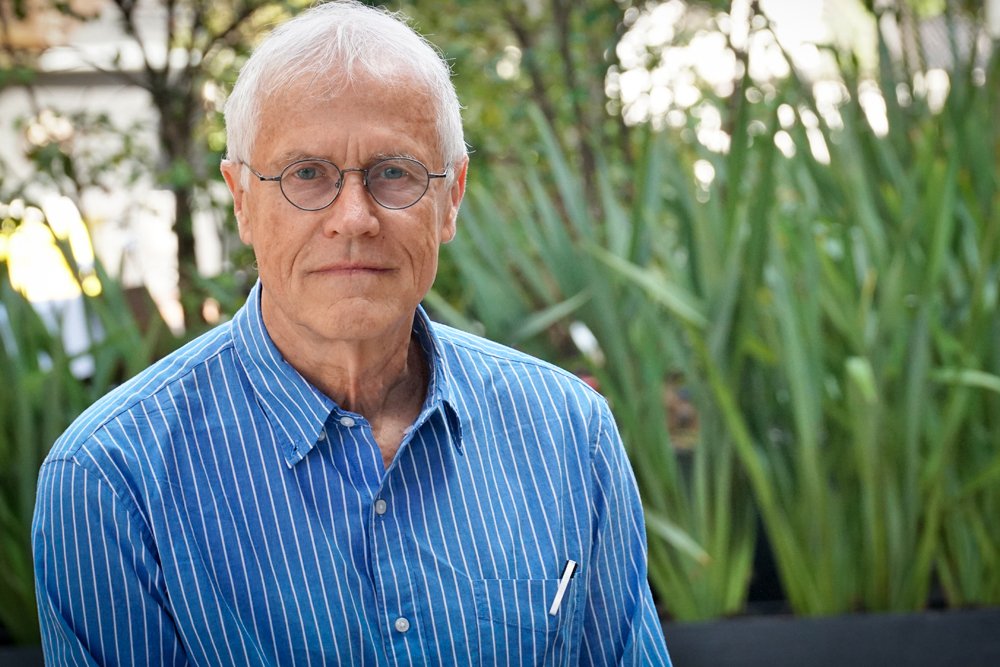
What if the solution to our planet’s greatest crisis isn’t just about reducing harm, but about actively healing the world?
This powerful question drives the work of a remarkable American environmentalist. Born in 1946 in California, he has spent decades shaping our understanding of ecological solutions.
His approach combines business, science, and social justice. He founded Project Drawdown, a groundbreaking effort to reverse global warming.
His influential books have been published in over 30 languages. They offer practical solutions for creating a healthier planet.
His vision goes beyond sustainability to regeneration. This means working with nature to restore our living world.
Key Takeaways
- He is a prominent environmentalist, author, and activist from California.
- His work focuses on practical solutions to the climate crisis.
- He founded Project Drawdown to reverse global warming.
- He combines economics, ecology, and social justice in his approach.
- His books have been translated into dozens of languages.
- He promotes regeneration rather than just sustainability.
- His ideas continue to influence environmental action worldwide.
Introduction to Paul Hawken
A unique blend of entrepreneur, author, and activist has shaped modern environmental thinking in profound ways. This visionary was born in San Mateo, California in 1946.
His educational journey included studies at UC Berkeley and San Francisco State University. These experiences helped form his comprehensive approach to ecological challenges.
His professional scope spans multiple disciplines. He has founded ecological businesses that demonstrate sustainable practices can be profitable.
As an author, he has written extensively about commerce’s impact on living systems. His books explore how economic activity can work with nature rather than against it.
Consulting work with corporations and governments has allowed him to influence policy. He focuses on economic development that respects environmental limits.
He co-founded and led Project Drawdown, a groundbreaking non-profit. This organization researches practical ways to reverse global warming.
His activist credentials include participation in the civil rights movement. This early experience informs his approach to social and environmental justice.
Currently residing in the San Francisco Bay Area, he remains at the center of environmental innovation. His ideas continue to reach global audiences through translated works.
His approach combines practical business acumen with deep ecological principles. This unique perspective offers real-world solutions to our planetary crisis.
Early Life and Education
California’s progressive landscape during the mid-20th century nurtured an environmental pioneer. The region’s unique blend of natural beauty and intellectual curiosity created fertile ground for ecological thinking.
Birth and Upbringing in California
Born February 8, 1946, in San Mateo, this future thinker grew up immersed in Bay Area culture. His childhood coincided with California’s growing environmental consciousness.
His father’s position at UC Berkeley provided early exposure to academic environments. Library sciences offered constant access to knowledge and diverse perspectives.
The family home reflected Northern California’s characteristic blend of nature and innovation. This setting fostered both intellectual curiosity and environmental appreciation.
Academic Background and Influences
Higher education began at UC Berkeley, known for its activist traditions and academic rigor. The university’s multidisciplinary approach shaped his thinking about complex systems.
Studies continued at San Francisco State University during a period of social change. Both institutions emphasized the interconnectedness of social and environmental issues.
University years provided foundational knowledge in ecology, economics, and social justice. These disciplines would later merge in his innovative approach to climate solutions.
Early activist tendencies emerged through campus discussions and Bay Area movements. This period solidified his commitment to addressing systemic challenges.
His educational journey created the framework for combining business with environmental restoration. This unique perspective would define his later work on global warming solutions.
Founding Ecological Businesses
Practical solutions to ecological challenges emerged from pioneering commercial ventures that redefined sustainability. These enterprises demonstrated how business could address environmental issues while remaining profitable.
Each company focused on different aspects of our living world. They showed that economic activity could work with nature rather than against it.
Erewhon Trading Company
In 1967, a groundbreaking natural foods venture began operations. This was one of America’s first businesses built entirely on sustainable agriculture principles.
The company worked directly with farmers using organic methods. It created a wholesale distribution system for chemical-free food products.
By the time the founder moved on in the 1970s, the operation had expanded significantly. Over 30,000 acres were under organic cultivation contracts.
This early venture proved that sustainable food systems could be commercially viable. It helped establish organic agriculture as a legitimate business model.
Smith & Hawken
Another innovative enterprise launched in 1979 focused on garden supplies. This retail and catalog business brought ecological principles to home gardening.
The company offered quality tools and products that respected natural systems. It made sustainable gardening accessible to mainstream consumers.
This venture demonstrated how ecological commerce could succeed in retail markets. It connected people directly with sustainable living practices.
OneSun and Sustainable Energy
In 2009, a new energy company emerged with an innovative mission. It focused on developing ultra low-cost solar power solutions.
The company used green chemistry and biomimicry in its approach. This meant learning from nature’s designs to create better energy systems.
This venture addressed the critical need for clean energy alternatives. It represented the next generation of ecological business thinking.
These companies collectively addressed food, consumer products, and energy solutions. They showed that business could be part of the climate solution.
The entrepreneurial experience gained from these ventures proved invaluable. It provided practical insights that would later inform broader environmental work.
These businesses pioneered sustainable practices that influenced later movements. They demonstrated that ecological responsibility and commercial success could work together.
Literary Contributions and Authorship
Beyond business ventures, written works have powerfully shaped environmental thinking worldwide. These publications translate complex ecological concepts into actionable strategies.
They bridge the gap between academic theory and real-world implementation. Each book addresses different aspects of our planetary challenges.
The Ecology of Commerce
Published in 1993, this groundbreaking text redefined business-environment relationships. It became the top-rated college textbook on business and ecology.
The book argues that commerce must work with natural systems. It shows how businesses can become restorative forces.
Industrial leaders like Ray Anderson credited it with transforming their approach. Interface Corporation completely redesigned operations after reading it.
This work demonstrated that profitability and sustainability aren’t mutually exclusive. It provided practical blueprints for ecological business models.
Natural Capitalism
Co-authored with Amory Lovins in 1999, this book introduced revolutionary economic concepts. It focuses on valuing natural capital and ecosystem services.
The work has reached global audiences through translations into 14 languages. It presents four main strategies for sustainable capitalism.
These include radical resource productivity, biomimicry, service economy models, and investing in natural capital. The book shows how these approaches create economic value.
It demonstrates that protecting living systems makes financial sense. This perspective has influenced corporate strategies worldwide.
Blessed Unrest
The 2007 publication identified a massive global movement for change. It describes how countless organizations work toward ecological and social justice.
This book argues that humanity’s immune response is kicking in. Diverse groups address climate crisis symptoms from different angles.
Indigenous rights, environmental protection, and social equity efforts converge. Together they form the largest movement in human history.
The work documents how this distributed network operates without central leadership. It shows hope emerging from grassroots actions worldwide.
These literary works have been published in over 50 countries across 30 languages. They established their author as a leading sustainability thinker.
The books connect practical business experience with ecological principles. They inspired policy changes and corporate transformations.
Academic institutions worldwide adopted these texts for environmental studies programs. They continue shaping how we approach our planetary future.
This foundation of ideas would later inform the ambitious Project Drawdown initiative. The books provided the theoretical framework for practical climate solutions.
Project Drawdown: Reversing Global Warming
A revolutionary approach to the climate crisis emerged in 2013. This initiative shifted focus from problems to practical solutions.
It represented a new way of thinking about our planetary future. The goal was clear and ambitious from the start.
Origins and Mission
Paul Hawken co-created this groundbreaking effort with Amanda Joy Ravenhill. Their vision was to reverse global warming through measurable action.
The mission centered on research and implementation. It sought to identify the most effective climate change solutions.
Over 200 researchers and advisors joined this collaborative work. They modeled and ranked strategies for reducing atmospheric carbon.
This scientific approach distinguished the project from previous environmental efforts. It built upon Hawken’s earlier experience with ecological business.
Key Solutions and Global Impact
The research identified numerous practical approaches to the climate crisis. Renewable energy solutions ranked among the most impactful.
Regenerative agriculture emerged as another powerful strategy. This approach works with nature to restore soil health and sequester carbon.
Education initiatives for girls and women also proved highly effective. These programs address multiple aspects of the planetary system.
The findings were published in the 2017 book Drawdown. This comprehensive work outlined 100 solutions to reduce greenhouse gases.
Project Drawdown quickly gained international recognition. Policymakers, businesses, and environmental groups adopted its framework.
The approach inspired hope through actionable strategies. It demonstrated that we already possess the ways to address climate change.
This initiative continues to shape sustainability efforts worldwide. Its influence extends across multiple sectors and countries.
The success of Project Drawdown paved the way for further innovation. It set the stage for exploring even more comprehensive approaches to planetary health.
Regeneration: Ending the Climate Crisis
Systemic transformation became achievable through a comprehensive blueprint published in 2021. This work presented a bold framework for addressing our planetary emergency within a single generation.
New York Times Bestseller
Regeneration: Ending the Climate Crisis in One Generation quickly achieved remarkable recognition. The book became a New York Times bestseller, reaching audiences worldwide.
Critical acclaim highlighted its practical approach to environmental challenges. Readers appreciated its actionable strategies over theoretical concepts.
The publication built upon previous successful works while introducing new perspectives. It represented an evolution in climate solution thinking.
One-Generation Approach
This visionary work proposes solving our climate emergency within thirty years. The approach integrates multiple systems working simultaneously.
Energy transformation forms a core component of the strategy. Renewable power systems must replace fossil fuels rapidly.
Agricultural practices receive significant focus for their carbon sequestration potential. Regenerative farming techniques restore soil health while capturing atmospheric carbon.
Urban design innovations create sustainable living environments. Social equity measures ensure solutions benefit all communities.
The framework emphasizes that these changes must happen concurrently. This integrated approach makes the one-generation timeline feasible.
Unlike sustainability which maintains current conditions, regeneration actively restores ecosystems. The book details practices that rebuild natural systems and communities.
Technology, policy, and grassroots action combine in comprehensive solutions. This multi-level strategy addresses the crisis from all angles.
Practical guidance helps individuals, businesses, and governments contribute meaningfully. Each sector finds specific actions tailored to their capacity.
The message counters climate despair with tangible pathways for change. Hope emerges from clearly defined, achievable steps.
Global relevance makes the framework applicable across diverse contexts. Cultural and economic differences are respected within the solutions.
This work naturally extends the research begun with Project Drawdown. It operationalizes those findings into a coherent action plan.
The success of Regeneration paved the way for ongoing implementation efforts. Project Regeneration continues this important work today.
Activism and Civil Rights Involvement
Long before becoming an environmental leader, this visionary demonstrated deep commitment to social justice. His early activism laid the foundation for his holistic approach to planetary challenges.
In 1965, he joined the civil rights movement during its most dangerous period. This experience shaped his understanding of systemic injustice and collective action.
Work with Martin Luther King Jr.
He served as press coordinator for Dr. King’s staff during the Selma to Montgomery marches. This role involved managing media relations during tense protests.
The marches aimed to secure voting rights for African Americans in Alabama. His work helped amplify the movement’s message nationwide.
This experience taught him about nonviolent resistance and movement building. These lessons would later inform his environmental work.
Confronting Racial Injustice
He joined the Congress of Racial Equality in New Orleans after the Selma campaign. His focus shifted to voter registration drives in Louisiana and Florida.
Following the murder of civil rights workers in Mississippi, he undertook dangerous documentation work. He attempted to photograph Ku Klux Klan activities in Meridian.
This courageous act led to his assault by Klan members. FBI intervention prevented more serious harm during this incident.
These early experiences demonstrated his lifelong activist ethos. They showed consistent dedication to justice causes.
This background directly connects to his later environmental philosophy. His books like Blessed Unrest explore the intersection of ecological and social justice.
His civil rights experience informed his understanding of interconnected systems. It shaped his view that environmental solutions must address social equity.
This foundation explains why his climate solutions always consider human dignity. His approach recognizes that planetary health requires social justice.
The courage shown in his early activism continues in his environmental work. He still confronts powerful interests to protect our living world.
This journey from racial justice to environmental activism shows the connectivity of social causes. It demonstrates how addressing one crisis informs approaches to others.
His background provides unique perspective on creating meaningful change. It shows how personal risk can serve greater good.
These stories from the civil rights era continue to inspire his current projects. They remind us that all justice work connects to our planetary future.
This chapter of his life demonstrates that protecting people and protecting nature are the same work. It shows one integrated vision for a better world.
Public Speaking and Commencement Addresses
A powerful voice reaches audiences beyond the written page through dynamic speaking engagements. This environmental leader has delivered hundreds of addresses worldwide.
His talks combine scientific knowledge with personal stories and practical solutions. They inspire action on critical environmental issues.
Major universities frequently host his commencement speeches. These include UC Berkeley, Yale University, and the University of Portland.
Corporate events and government conferences also feature his presentations. He translates complex ecological concepts into accessible language.
Influential Speeches
His 2009 University of Portland address became particularly famous. Titled “You Are Brilliant and the Earth Is Hiring,” it went viral online.
This speech motivated many listeners toward environmental careers. It emphasized our collective responsibility for planetary health.
The message blended hope with practical calls to action. It showed how individual efforts contribute to systemic change.
Other notable addresses have reached diverse audiences across multiple countries. Each talk adapts to its specific context while maintaining core principles.
Spreading Environmental Awareness
Media appearances extend his influence beyond live audiences. He has appeared on programs like the Today Show and Real Time with Bill Maher.
These platforms help spread awareness about climate solutions. They bring ecological ideas to mainstream viewers.
His speaking engagements often promote important projects and books. Talks frequently reference Project Drawdown and regeneration concepts.
This approach connects oral presentations with written work. It creates multiple entry points for understanding environmental issues.
The inspirational quality of his talks counters climate despair. They focus on practical ways forward rather than just problems.
This speaking experience builds upon his background in activism and business. It demonstrates how communication drives environmental progress.
Awards and Recognition
Decades of groundbreaking environmental work have earned significant honors from institutions worldwide. These awards validate the effectiveness of his innovative approaches to our planetary challenges.
Recognition spans academic, environmental, and literary fields. Each honor reflects different aspects of his comprehensive work.
Honorary Doctorates
Six prestigious universities have awarded honorary degrees for his contributions. These honors recognize achievements across multiple disciplines.
University of Portland celebrated his environmental leadership and literary impact. This institution values his practical solutions to the climate crisis.
Bard College honored his work combining ecology with economic theory. This reflects his innovative approach to sustainable business models.
California Institute of Integral Studies recognized his systems thinking. This award highlights his holistic view of planetary systems.
Other institutions include leading universities focused on environmental science. These degrees acknowledge his global influence on climate change discussions.
The diversity of these honors shows his interdisciplinary impact. They span environmental science, literature, and sustainable economy.
Green Cross Millennium Award
Mikhail Gorbachev presented this prestigious honor in 2003. The Green Cross International award recognizes outstanding environmental leadership.
This global acknowledgment highlighted his lifetime of ecological work. It celebrated his innovative approaches to planetary healing.
The award specifically noted his contributions through writing and activism. It validated his methods for addressing the climate crisis.
This honor placed him among the world’s most influential environmental thinkers. It recognized his practical solutions rather than just identifying problems.
Media features in publications like the New York Times have amplified his message. These appearances have brought his ideas to wider audiences.
Such recognition strengthens the credibility of projects like Project Drawdown. It helps expand implementation of his climate change solutions.
International honors reflect his global influence across multiple countries. They show respect from academic, corporate, and environmental sectors.
These awards demonstrate that regenerative approaches offer viable ways forward. They validate working with nature rather than against it.
The recognition sets the stage for ongoing innovative work. It supports continued development of practical environmental solutions.
Current Work and Ongoing Legacy
Today’s environmental challenges demand bold action and comprehensive networks. One visionary continues to lead with innovative approaches that build upon decades of experience.
His current initiatives represent the natural evolution of previous successful projects. They combine practical tools with global outreach for maximum impact.
Project Regeneration
This initiative stands as the world’s most extensive database for climate solutions. It expands upon the concepts presented in his New York Times bestselling book.
The platform provides actionable resources for implementing regenerative practices. It connects communities with proven methods for addressing the climate crisis.
Project Regeneration integrates technology with traditional ecological knowledge. This creates accessible solutions for diverse regions and cultures.
The network emphasizes working with natural systems rather than against them. This approach recognizes nature’s innate ability to heal and restore balance.
Global Influence and Outreach
His consulting work extends to governments and corporate leaders worldwide. These collaborations focus on practical regeneration strategies across multiple sectors.
Energy transformation remains a central theme in his advisory role. He helps organizations transition to renewable power systems effectively.
Continued authorship maintains his position as a leading environmental voice. New writings build upon previous works while addressing emerging challenges.
Public speaking engagements reach international audiences across numerous countries. These talks inspire action and share hopeful solutions to planetary issues.
Educational initiatives form another crucial aspect of his current work. They empower future generations with practical knowledge and skills.
This comprehensive approach ensures his ideas continue influencing policy and practice. The legacy grows through implementation of real-world solutions.
His lifetime of achievement demonstrates remarkable consistency in mission and purpose. Each new project builds upon previous successes while breaking new ground.
The ongoing work reflects modern environmentalism’s evolving nature. It combines technology, community engagement, and ecological wisdom.
This proactive focus on regeneration offers hopeful pathways forward. It demonstrates that positive change remains achievable through collective action.
The current chapter of his work sets the stage for concluding reflections on lasting impact. It shows how dedication to planetary health continues shaping our world.
Conclusion
Paul Hawken’s lifetime of environmental work offers a powerful blueprint for planetary healing. His unique approach combines practical business sense with deep ecological wisdom.
From founding sustainable companies to writing influential books, his contributions span multiple fields. Projects like Drawdown provide measurable solutions to the climate crisis.
His vision of regeneration goes beyond sustainability to actively restore our living world. This hopeful message inspires action across cultures and sectors.
Hawken’s legacy continues through ongoing initiatives that address global challenges. His work shows that positive change is possible when we work with nature.
This integrated approach offers real hope for our planetary future. It demonstrates how economic activity can heal rather than harm our planet.